
Key Points
- Buyers value predictable cash flow and reduced risk, not sweat equity.
- Heavy owner involvement can lower enterprise value.
- The last two to three years of financials matter most in a sale.
- Clean, consistent reporting is critical for exit readiness.
- CAAS helps turn effort into transferable business value.
Why Buyers Don’t Care How Hard You Worked (and What They Pay For Instead)
Many business owners spend years building their companies through long hours, personal sacrifice, and constant problem-solving and stress. All of this creates what is often called “sweat equity.” When it comes time to sell, it is natural to believe that effort, loyalty, and sweat equity will be reflected in the price a buyer is willing to pay.
Unfortunately, that is rarely how a sale works.
Buyers do not purchase effort. They purchase an asset. Understanding that distinction is one of the most important mindset shifts a business owner can make when preparing for an exit.

What Buyers Are Actually Buying
At its core, a buyer is making an investment decision. Whether the buyer is a private equity group, a strategic acquirer, or an individual investor, the question is the same: what return will this business generate, and how risky is that return?
From the buyer’s perspective, long hours and personal involvement are not value creators. In many cases, they are viewed as risks. A business that relies heavily on the owner to operate, make decisions, or maintain key relationships is harder to transition and therefore less valuable.
What buyers are looking for instead is predictability. They want to see consistent cash flow, repeatable processes, reliable financial reporting, protected intellectual property, and a business that can operate without the owner being involved in every decision.
Why Sweat Equity Does Not Increase Enterprise Value
Sweat equity matters while you are building the business. It does not carry the same weight when valuing it.
Enterprise value is generally driven by three primary factors: cash flow, risk, and growth potential. How hard you work does not directly impact any of those. In fact, excessive owner involvement often signals weak systems, poor documentation, and a lack of delegation.
Buyers are not asking how difficult it was to get here. They are asking how the business will perform once you are gone.
The Shift from Operator Thinking to Buyer Thinking
Owners planning a sale in the next three or more years need to begin thinking like buyers. Instead of asking, “How do I keep everything running?” the better question becomes, “How would this business perform without me?”
This shift changes priorities. Financial reporting must be clean, consistent, and defensible. Cash flow needs to be predictable. Customer concentration, owner compensation, and discretionary expenses should be addressed long before a buyer ever sees the books.
Many owners discover their financial systems are not built for a transaction. Issues that are manageable during operations often become red flags during due diligence.
Why the Last Three Years Matter Most
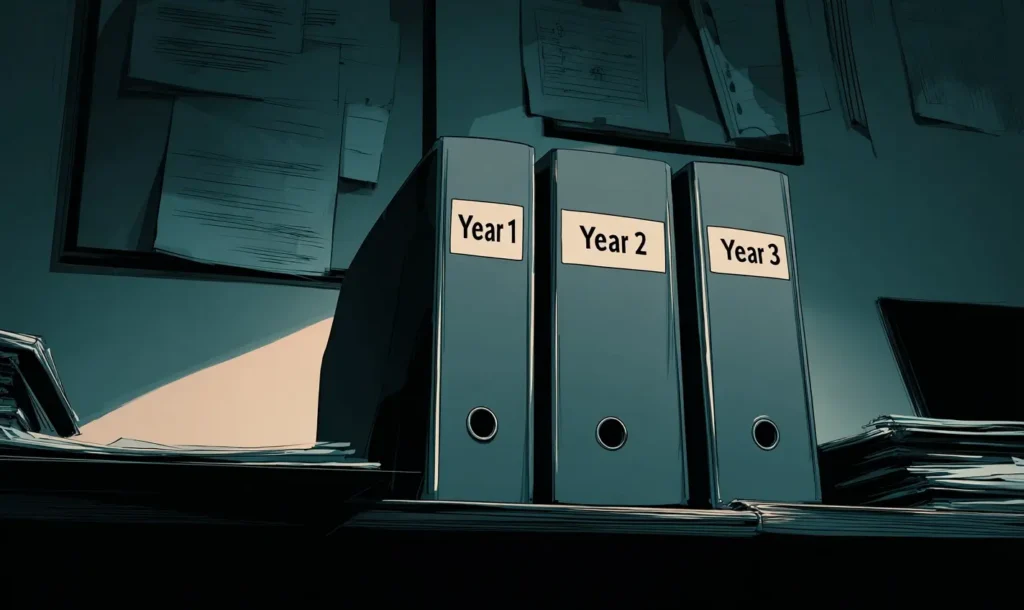
When buyers evaluate a company, they place significant weight on recent financial history. Typically, the last two to three years form the foundation for valuation models, quality of earnings analyses, and risk assessments.
This means decisions made today directly affect what a buyer will see later. Waiting until the year you plan to sell to clean up the books is often too late.
Businesses that command premium valuations appear stable, intentional, and well-managed over time.
How CAAS Supports Exit Readiness
Client Accounting and Advisory Services play a critical role in preparing a business for exit. Exit readiness is not a one-time project. It is a multi-year process of building financial infrastructure that supports value.
Through CAAS, businesses establish consistent accounting practices, reliable reporting, and clear visibility into cash flow and performance metrics. Advisory services help owners use those numbers to reduce risk and increase enterprise value.
Turning Effort into Value
The goal of exit planning is not to discount the effort you have put into your business. It is to convert that effort into something a buyer can understand, measure, and trust.
When your financials tell a clear story and your systems operate without constant owner involvement, your business becomes more than a job. It becomes a transferable asset.
At Southcoast Financial Partners, we help business owners make that transition years in advance, when it has the greatest impact on value. If you are thinking about an eventual exit, contact our team at info@southcoastfp.com.