
Key Points
- The US dollar has weakened due to monetary, fiscal, and geopolitical factors.
- Imported goods and materials now cost more for US-based businesses.
- Export-driven businesses may benefit from increased foreign demand.
- Financial planning and cash flow forecasting are more critical than ever.
- Businesses should reassess supplier exposure, pricing, and tax timing.
How a Weaker US Dollar Affects Small Businesses and What You Can Do About It
The value of the US dollar plays a bigger role in the economics of a small business than many owners realize. Recent trends in currency markets have put pressure on the dollar, which impacts costs, pricing, supply chains, and financial planning. As the US dollar continues to weaken, it is important for small business owners to understand what is driving these moves and how it may affect operations and the profit and loss.
This article explains the key factors behind current dollar weakness, the economic trends involved, and the real effects on small business costs, financing, and long-term strategy.
What Is Driving the Recent Weakness in the US Dollar
Several current events and broader economic forces have contributed to recent declines in the dollar’s value against other major currencies.
Monetary Policy and Interest Rate Expectations
One major driver is investor expectations around Federal Reserve policy. Markets have been pricing in potential rate cuts or prolonged periods of lower rates in 2026. When US interest rates are expected to be lower relative to other economies, the US dollar becomes less attractive to global investors seeking yield. This dynamic reduces demand for the dollar and places downward pressure on its value.
Federal Budget Deficits and Debt Issuance
Ongoing large federal budget deficits and increased Treasury borrowing can influence the dollar’s strength. A higher supply of US dollars, without matching global demand, can weaken the currency over time as investors assess long-term fiscal trajectories and increased debt levels.
Political Uncertainty and Policy Volatility
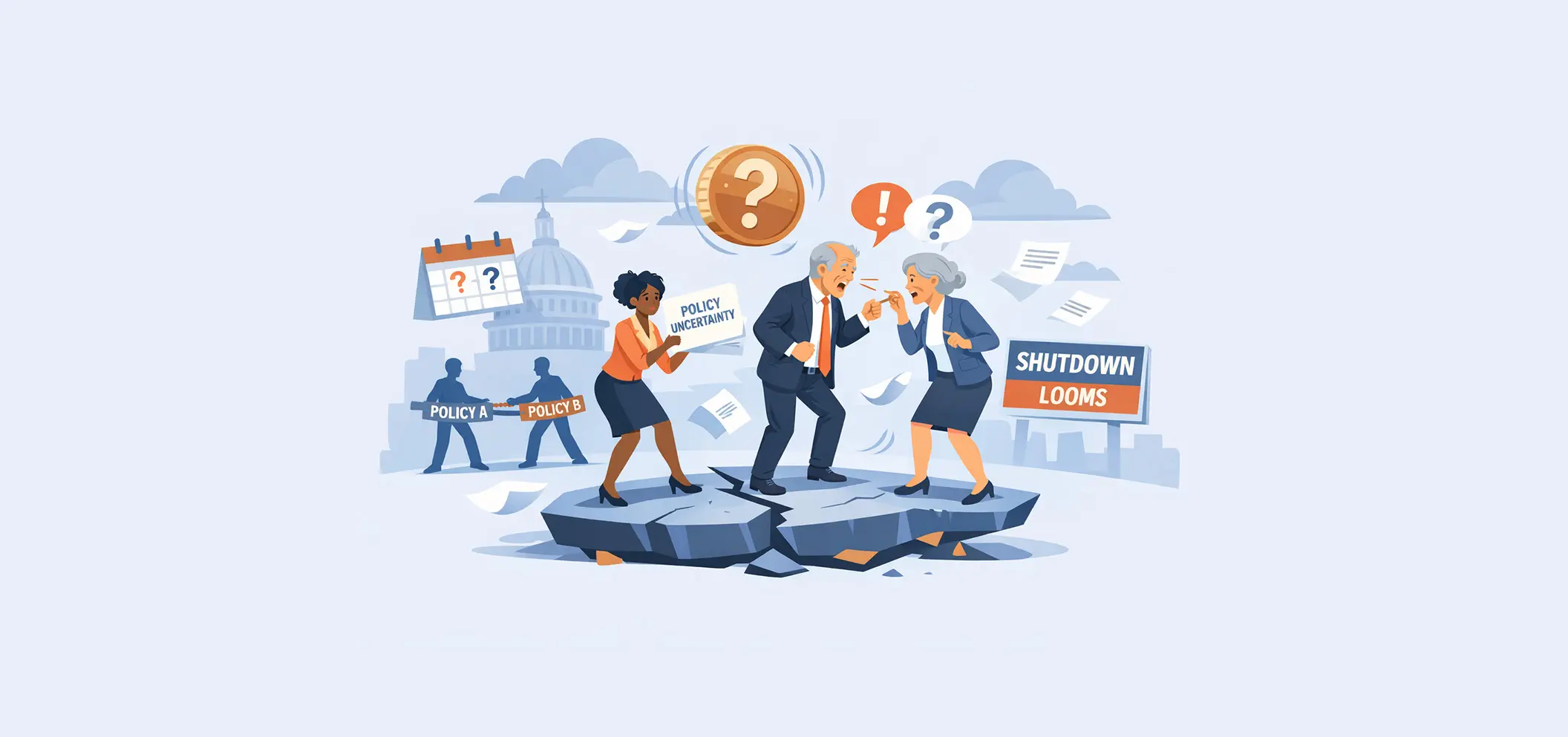
Currency markets react strongly to political signals. Recent episodes of fiscal brinkmanship and uncertainty around long-term economic policy have amplified volatility. Investors tend to shift out of dollar-denominated assets when confidence in economic governance fluctuates.
Reserve Diversification and Global Currency Shifts
Some foreign central banks have been diversifying reserve holdings that have historically been dominated by the US dollar. Shifts toward holding other currencies or increasing allocations to gold as a reserve asset can reduce marginal demand for the dollar and bolster alternatives. Rising gold and silver prices, for example, reflect part of this broader change in investor sentiment.
These economic and policy developments help explain why the dollar has weakened recently and why businesses should stay alert.
Imported Goods and Material Costs Tend to Increase
If your business relies on imported inventory, raw materials, or equipment, a weaker dollar means foreign suppliers cost more in US dollars. That squeezes margins unless prices are adjusted or cost savings are found elsewhere. Even businesses that do not import directly may feel pressure if their vendors source materials internationally.
Pricing Decisions and Margin Management Become More Important
As input costs rise, businesses may need to adjust pricing. Raising prices too quickly, however, can affect competitiveness. Thoughtful planning around pricing strategy and communicating changes to customers becomes more important in a volatile currency environment.
Competitive Advantages for Export-Oriented Businesses
Not all outcomes are negative. Businesses that sell to foreign customers or compete internationally may benefit when the dollar is weaker. US products and services become more affordable to buyers abroad, potentially increasing demand and market share.
Borrowing Costs and Financial Planning
Currency conditions are closely tied to interest rate expectations. A persistently weaker dollar can influence borrowing costs, investor sentiment, and broader financial conditions. Businesses with strong financial discipline, clean reporting, and predictable cash flow are better positioned to secure financing in uncertain environments.
For insights on how lenders evaluate your company’s financial readiness, check out our article:
How Banks Evaluate Your Business for a Loan
Tax and Cash Flow Planning Considerations
Changes in currency value can indirectly influence tax planning and cash flow. Higher operational costs and shifting revenues may affect profitability and the timing of deductible expenses. Planning ahead for capital expenditures or inventory purchases near year end may help manage tax liabilities, much as discussed in our
year-end tax planning checklist
Practical Steps Businesses Can Take Now
A weaker dollar does not mean business owners are powerless. There are practical steps that support resilience and stability:
- Review supplier exposure to foreign pricing and seek alternatives where feasible
- Evaluate pricing strategies to ensure margins remain healthy
- Strengthen cash flow forecasts and build larger cash reserves
- Consider bulk pricing agreements or hedging strategies with key vendors
- Monitor financing conditions and avoid overleveraging during uncertain periods
These steps help businesses position themselves to respond effectively rather than react when conditions change.
For more in-depth information about the nuances of cash flow, check out our article:
When Profit Isn’t Cash
Final Thoughts
The devaluation of the US dollar is tied to a combination of monetary policy expectations, fiscal dynamics, global currency trends, and investor behavior. For small business owners, the key is not to try to predict every twist in currency markets but to understand how these conditions show up in real costs, pricing decisions, and financial planning.
Staying informed, maintaining strong financial discipline, and planning proactively will help you navigate currency-driven changes with confidence.
Our team brings clarity and insight to businesses and owners. If you want to discuss this topic more in depth, contact our team.